
darkness
The Role of Shadow in Growth
Why We Can't Run From Our Darkness
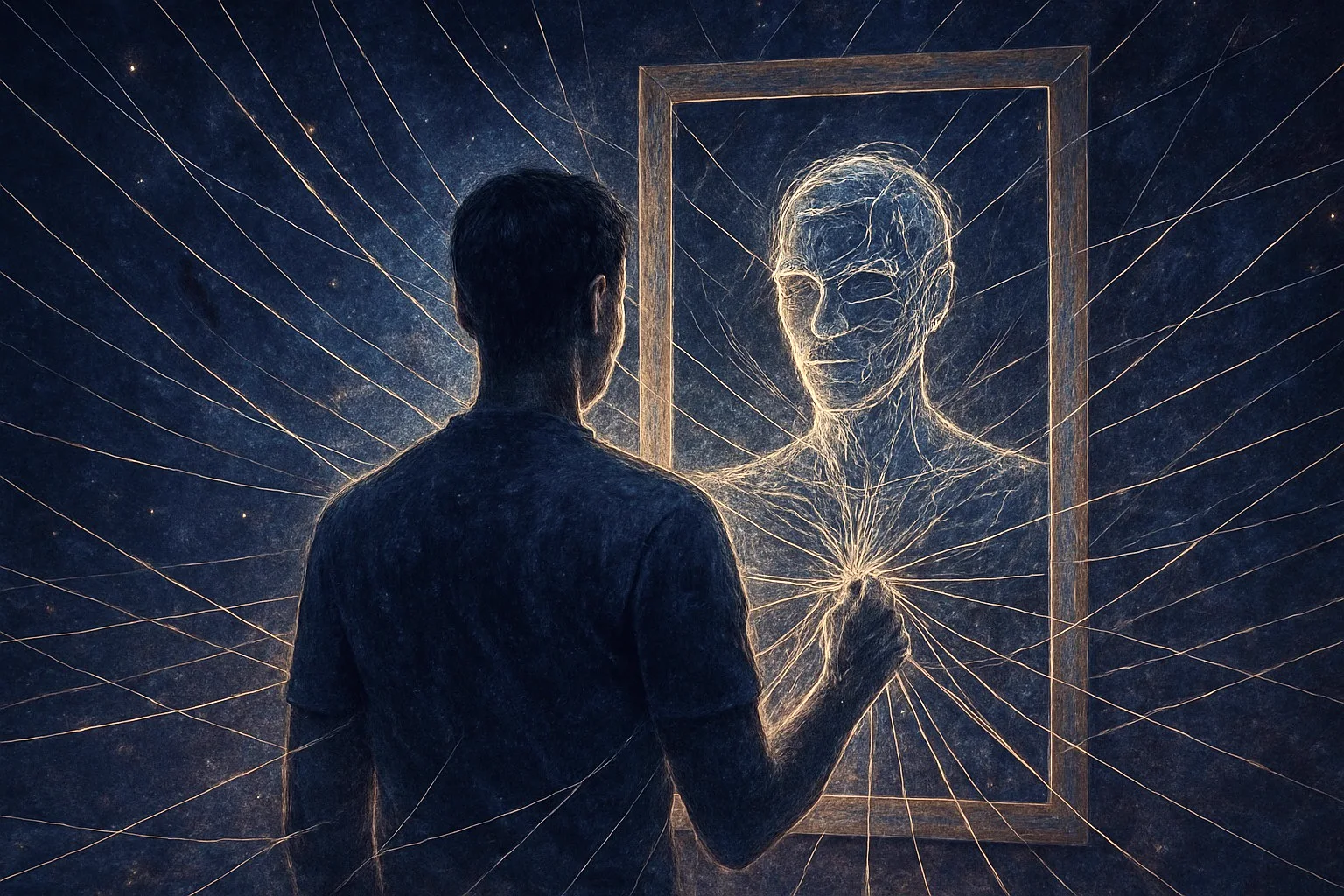
Before a thought reaches the light of conscious awareness, it passes through many layers of the subconscious. Beneath our surface desires lie hidden impulses; this is the shadow self. It cannot be avoided. It is as much a part of us as our own reflection. When left unexamined, the shadow acts without direction, entangling the threads we try to weave with intention and undermining our growth.
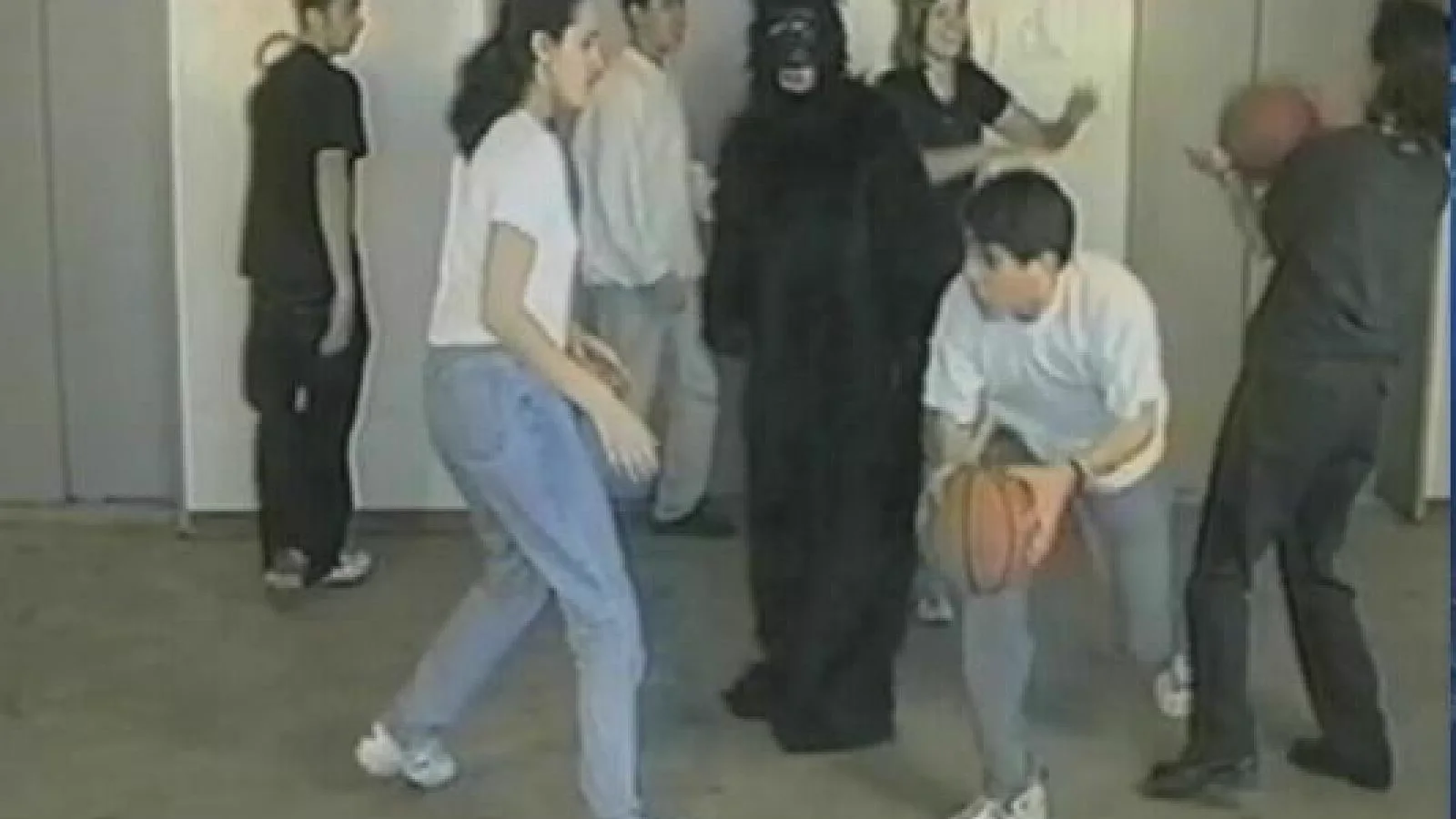
If we take things at face value, we will misunderstand them. The same goes for our inner life. We have to look beneath the surface, identify the wounds that still haunt us, and address them. Otherwise, the pain continues in cycles, repeating until acknowledged.
Trauma is perhaps humanity’s greatest obstacle. Many do not know how to move beyond past pain, so they carry it—year after year. Without true healing, we numb ourselves and go through life wounded, pretending we are whole.
Before we can journey toward our goals, we must first journey inward. We must acknowledge the darker aspects of ourselves and trace them to their root. It’s like tending a garden. If we cut a weed at the surface, the roots grow stronger and the weed returns. We have to reach down, get our hands in the soil, and pull the root completely.
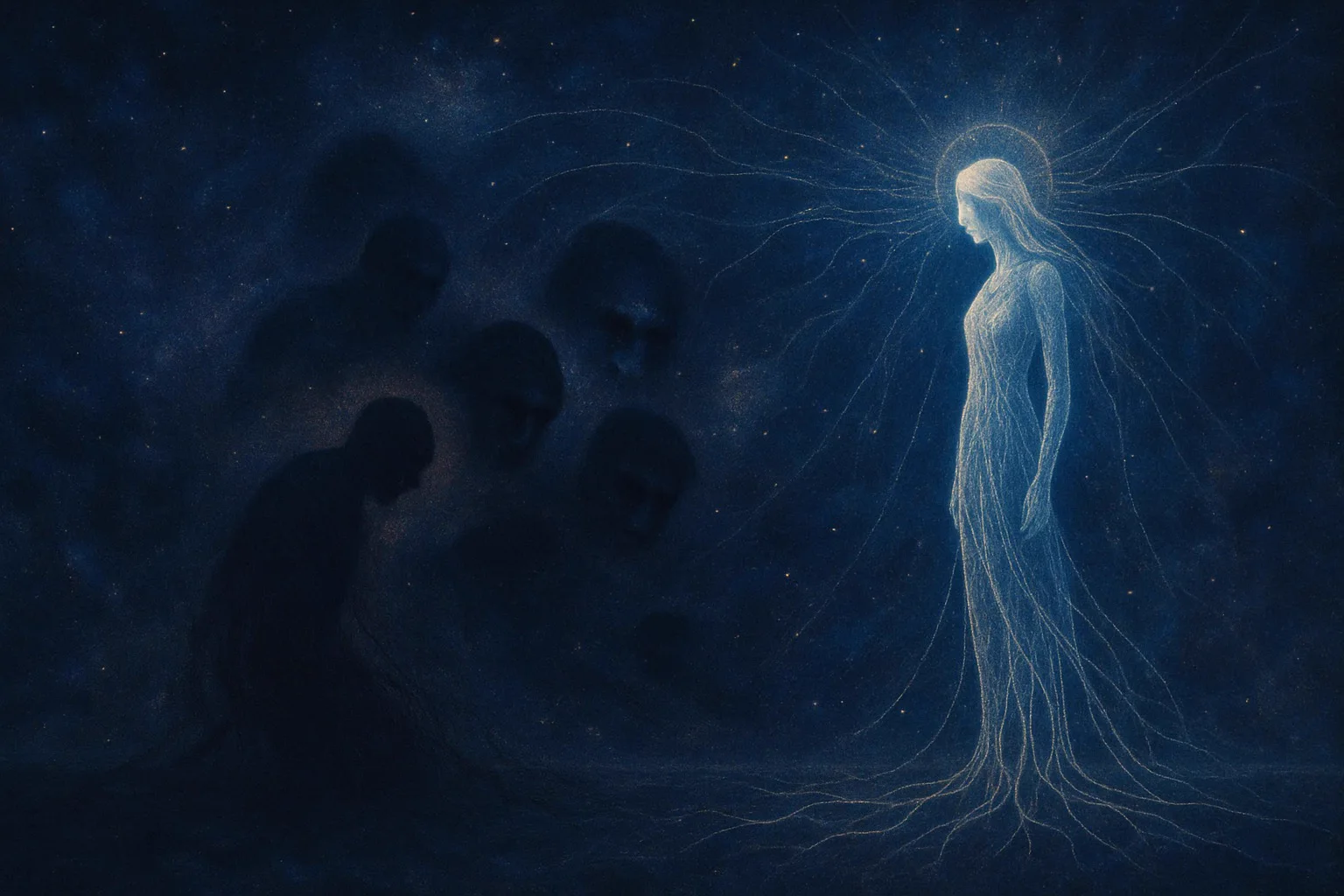
In the Netist maps of consciousness, this descent into the inner soil is the beginning of all real spiritual work. The first triad of “shadow centers” lives in the subconscious—our roots buried in darkness. These centers hold our fears, urges, and desires before we ever speak them aloud. They’re not hidden because they are evil, but because they are raw groundwork toward form. Left unaddressed, they sabotage every higher intention. Faced, tamed, and integrated, they become an anchor—our roots gripping the earth so we can finally rise.
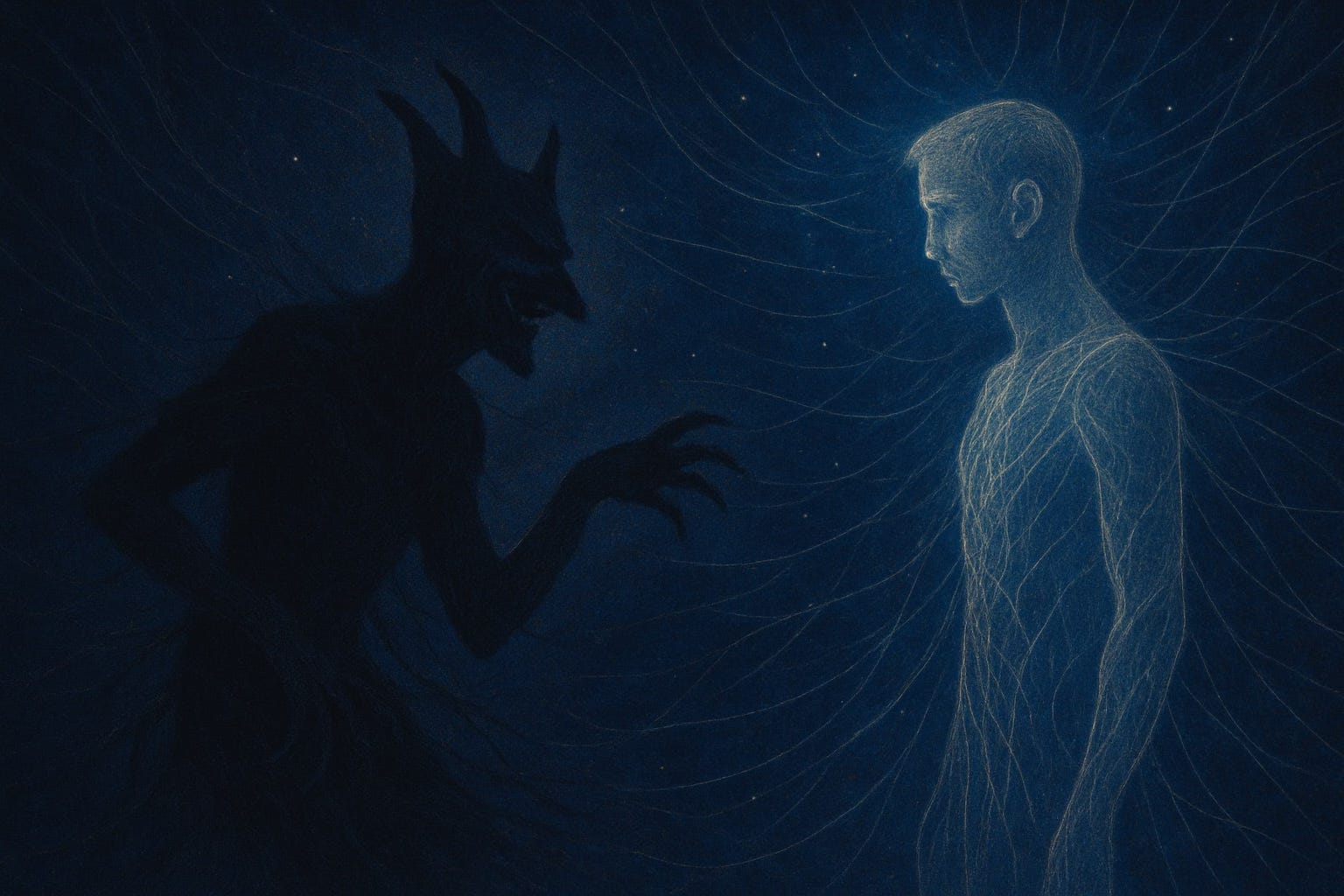
The shadow doesn’t sit quietly in the background; it works under the surface, driving our actions and reactions, and sometimes, attracting circumstances into our lives. Traditions speak of a figure called the trickster—the one who opens crossroads and invites temptation. Seen through this lens, the trickster is not an external demon stalking us from the outside; it is our own unspoken desire walking toward us in physical form. The “chance” flirtation, the easy shortcut, the sudden offer that aligns a little too perfectly with our secret craving—these are moments where the shadow steps into costume and asks, Are you ready to choose differently yet?
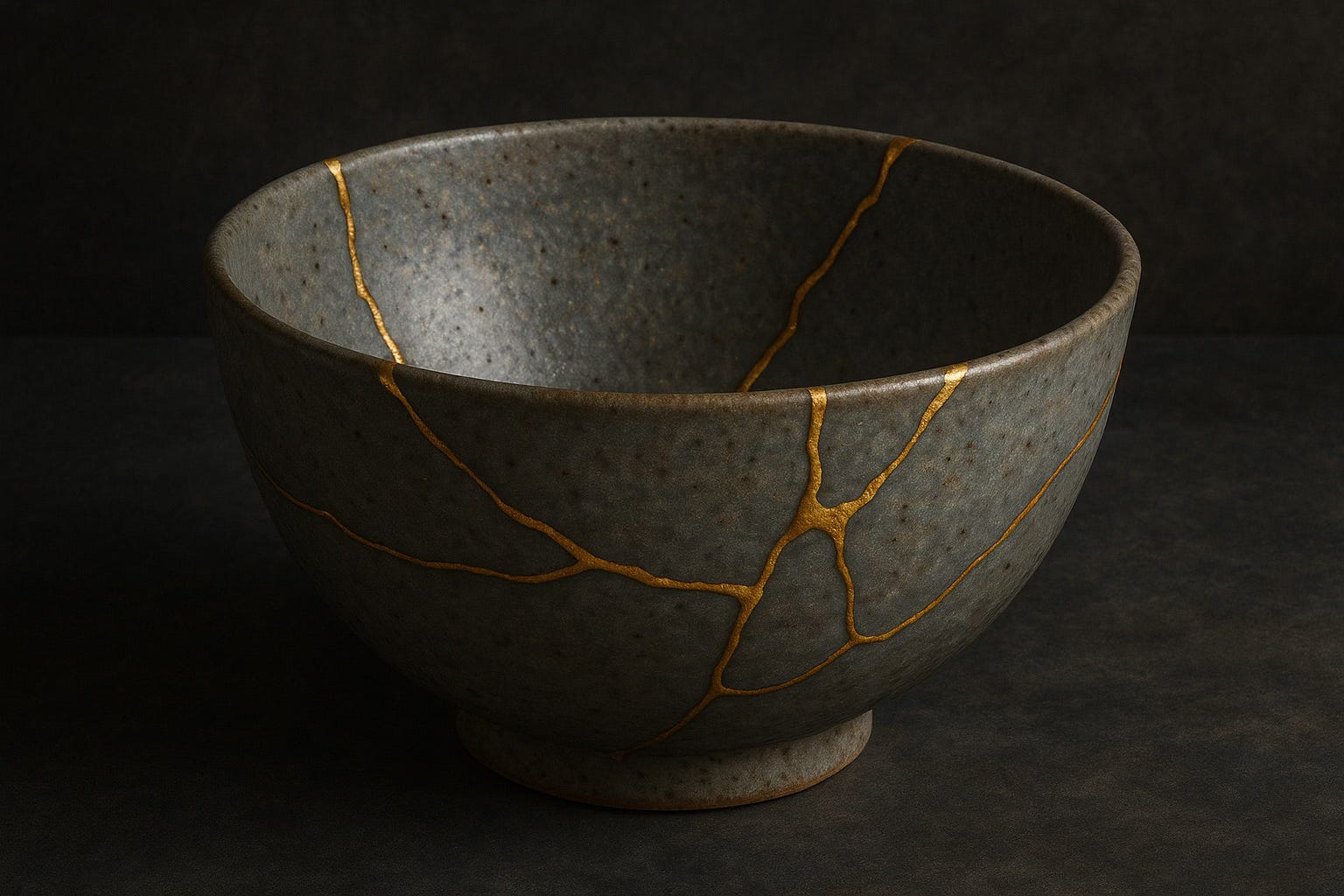
Sometimes the doorway into this work isn’t gentle at all. Crisis is often the first stage. The shaman’s path begins with a breaking: illness, loss, near-death, collapse. A life shatters the way a ceramic bowl shatters on stone. Yet even here, we can take a lesson from Kintsugi—the Japanese art of repairing broken pottery with gold. The goal is not to pretend the break never happened, but to fuse the pieces with something precious so the cracks become part of the design. Our trauma doesn’t disqualify us from awakening; it prepares us. Every seam reforged in awareness becomes a line of gold in the spirit.
We cannot ignore the shadow; it is our deepest core.
From the perspective of the Net—the living web of consciousness we all move within—our shadow is not just personal. It acts as a magnet, drawing to us people and situations that resonate with our unhealed places. The same pattern appears in different faces. The same wound repeats with new names. What we refuse to face inside will continue to meet us outside, circling back until we choose to break the cycle. We can only rise above our fears after we face them and grow past them.
We cannot escape our darkness any more than we can escape our own shadow. There is no shame in what we have yet to overcome. Every spirit, no matter how advanced, faces this reckoning at some point on the path to ascension. What matters is not what we’ve done, but how we resonate now.
Heal what is buried. Forgive what has passed. Let the cracks be filled with gold instead of silence. When we descend into the roots, meet the trickster, and bow our heads in honest humility, we do more than heal ourselves—we steady the entire Net. Only then can we know peace.
For more about resonance, the Net, and growing through trauma, visit Netism.org
Look for Nora Spinnor’s first book, The Young Man and the Sage, on all major book retailers.
Comments